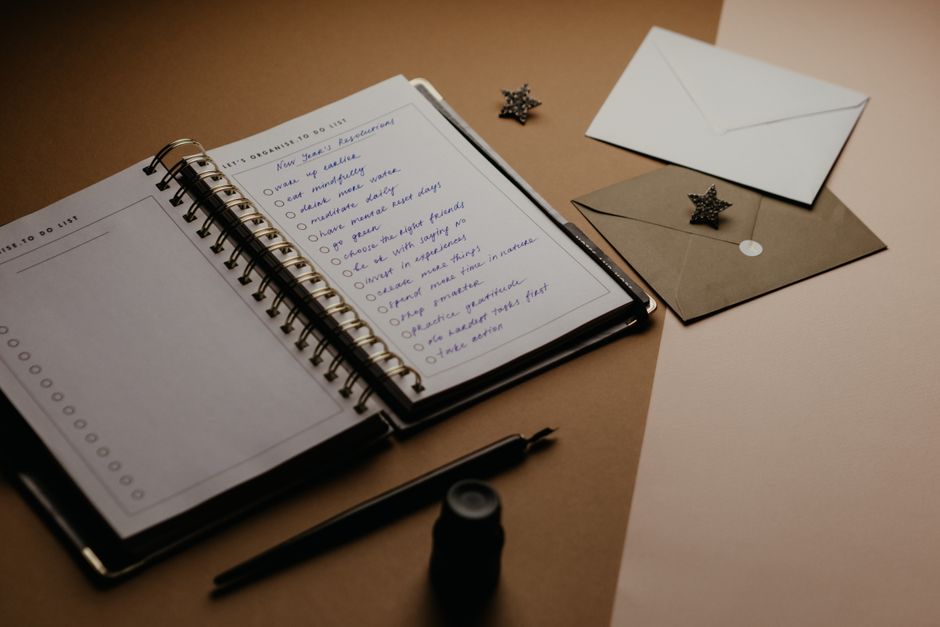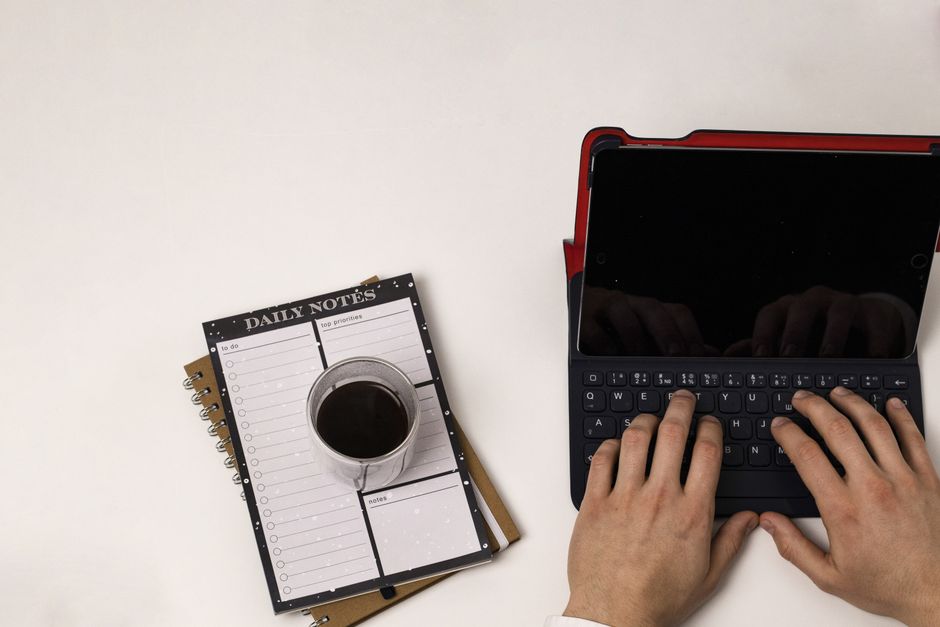
It’s early Saturday morning, and the coffee mug sits next to a cluttered notebook on the kitchen table, both signaling the start of the weekend work routine. As I open my laptop, the email draft window pops up, a half-finished follow-up from a meeting earlier in the week. The task list waits patiently on the side, but the influx of new messages threatens to push my agenda aside. Each reply I send feels like a small victory, yet they crowd out the time I need to prepare for the upcoming week.
Juggling inbox work and the critical document I need to finalize, I realize that the first step should have been confirming the agenda for Monday’s meeting. Instead, I find myself buried under a barrage of emails, each one pulling my focus further away from the tasks that truly matter. This common friction—where email replies overshadow preparation time—can derail even the best-laid plans. The simple act of reviewing the agenda before diving into the distractions could make all the difference, yet it often gets overlooked in the rush to respond.
The Morning Routine That Falls Apart
The kitchen table is a familiar battlefield at this hour, with my coffee mug steaming beside a neatly arranged task list. It’s early morning, the sun barely peeking through the curtains, and I’m ready to tackle the day. I open my laptop, intending to check emails first, but that’s where the trouble begins. Instead of a quick glance, I find myself sucked into a spiral of replies and new messages. Each ping pulls my attention away from the document I need to finalize for Monday’s meeting, and I can feel the weight of my original plan slipping away.
While I scroll through the influx of emails, I realize I should have started by confirming the agenda for the meeting. A quick pre-meeting check could have set the tone for my day, allowing me to prioritize the tasks that truly matter. Instead, I’m left juggling responses, and the follow-up I meant to send gets buried under a new wave of inquiries. With every email I respond to, I lose precious minutes that I had intended for preparation. This friction point is all too common, where the initial intention of a focused work block gets overshadowed by the demands of my inbox, leading to a chaotic start instead of a productive one.
Where the Sequence Breaks Down First
Early mornings at my kitchen table often start with a steaming coffee mug and a task list open on my laptop. However, as soon as I open my email draft window, the chaos begins. Notifications flood in, and I find myself distracted by replies that demand immediate attention. Each ping pulls my focus away from the agenda I need to confirm for Monday’s meeting, and I can feel my original plan slipping away.
- A follow-up email I meant to send gets buried under a new wave of inquiries.
- Team communication turns reactive, with urgent requests overshadowing my preparation.
- Each distraction adds another layer of delay, making it harder to regain focus.
This is the first visible sign of drift: the moment my intention of a focused work block gets overwhelmed by the demands of my inbox. Instead of checking my agenda and prioritizing my tasks, I’m left juggling responses, and the crucial prep time I had set aside disappears. A quick pre-meeting check could have anchored my workflow, but now I’m scrambling to catch up.
If this pattern keeps repeating, Writing Clearly At Work extends the idea without leaving the niche.
Understanding the Cycle of Distraction
Early mornings at my kitchen table often set the tone for my weekend work. With a steaming coffee mug to my right and a task list open on my laptop, I aim to carve out a focused hour before distractions take hold. However, the moment I open my email draft window, the carefully crafted plan begins to unravel. Notifications cascade in, and instead of confirming the agenda for Monday’s meeting, I find myself responding to urgent emails that demand immediate attention.
This habitual check of my inbox before diving into preparation is where the friction starts. Each reply pulls me further away from my original intent, leading to a reactive mode that prioritizes incoming requests over planned tasks. A follow-up email I intended to send gets buried under new messages, and the time I had set aside for thoughtful preparation vanishes. The hidden cause here is the overwhelming nature of email, which transforms my focused work block into a scramble to catch up.
To counteract this cycle, I’ve started implementing a quick pre-meeting check on my task list before opening my email. By confirming my agenda first, I create a buffer against the incoming chaos. This small adjustment allows me to maintain focus on what truly matters instead of getting swept away by the tide of urgent but less important emails. Ultimately, the tradeoff is clear: I can either spend my time reacting to emails or invest it in meaningful preparation for my workweek ahead.
A Simple Correction to Regain Control
Early mornings at my kitchen table often feel chaotic, especially when I open my email draft window and see a flood of unread messages. The coffee mug sits beside my notebook, which is filled with task lists and reminders for the day ahead. However, as soon as I glance at the inbox, a follow-up email I meant to send gets buried under new messages, and I find myself spiraling into a reactive mode.
To combat this, I’ve started setting a timer for my email checks, limiting myself to just ten minutes before diving into my planned tasks. This simple adjustment creates a structured boundary, allowing me to focus on what’s essential. Before I even think about opening my inbox, I confirm the meeting agenda on my calendar. This quick pre-meeting check serves as a mental anchor, reminding me of the priorities that need my attention.
By establishing this sequence—first confirming the agenda, then checking emails—I regain control over my workflow. The small correction of limiting email distractions not only preserves my preparation time but also ensures that I’m not sidetracked by urgent replies that can wait. In this way, I can start my workweek grounded and ready, rather than overwhelmed by the chaos of incoming messages.
What Gets Easier After the Change
A slightly different version of this problem appears in Balancing Work And Life, where the sequence changes but the hidden drag feels familiar.
With the new approach of confirming my meeting agenda before diving into my emails, I’ve noticed a significant shift in my workflow. Early mornings at my kitchen table now feel more organized. Instead of immediately opening my email draft window, I take a moment to glance at my calendar, ensuring I know the key points to address during the upcoming meeting. This small adjustment has transformed my preparation time from a chaotic scramble into a focused session.
As I sip my coffee, I pull out my notebook and jot down the main topics for discussion. This act of writing reinforces my priorities, allowing me to mentally prepare rather than react to whatever new emails have come in. The result? I find I have more time allocated for actual work instead of getting caught up in replying to messages that can wait. The clarity of having a defined agenda not only streamlines my thought process but also leads to more productive meetings, as I’m no longer sidetracked by irrelevant emails.
In my next work block, I’ll open my task list first, prioritizing the document I need to finalize. This shift in sequence—starting with my tasks rather than my inbox—creates a more structured flow. I can already anticipate that my next meeting will be more efficient since I’ll be prepared, having spent my time wisely rather than letting email replies dictate my morning. The friction of email spillover is fading, and I’m regaining control over my remote work routine.
As the early morning light filters through the window, the clutter of unread emails can easily overshadow the day's priorities. By taking a moment to confirm the agenda for my upcoming meetings before diving into my inbox, I can avoid the common pitfall of letting email replies dictate my focus. This simple act of checking my calendar and jotting down key points in my notebook ensures that I'm prepared for what lies ahead, rather than reacting to distractions.
Next time you sit down at your home desk or kitchen table, try placing your task list in front of your email draft window. This small adjustment can create a more intentional workflow, allowing you to prioritize important documents and meetings without getting buried under new messages. With this shift, the friction caused by email spillover diminishes, paving the way for a smoother and more productive workday.