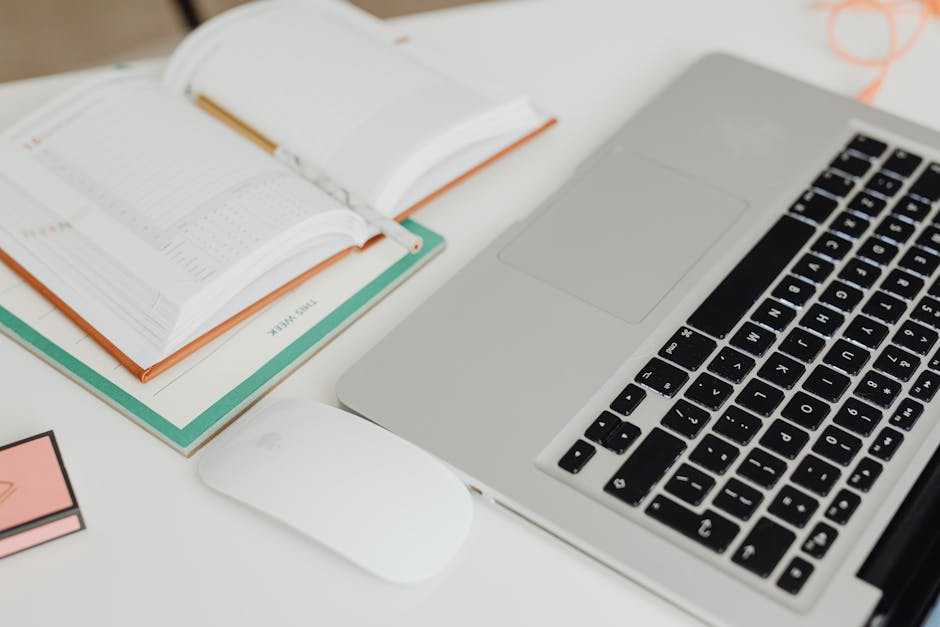
It's early morning at the kitchen table, and the coffee mug sits beside an open notebook. As the clock ticks toward the start of the workday, the calendar event pane glows with reminders of back-to-back meetings. You glance at your task list, noting the important document that needs final touches before the first video call. Yet, as you prepare to dive into your emails, a familiar pattern emerges: replies from last week's discussions flood your inbox, pushing your essential tasks to the background.
Checking the calendar before opening your email is a small but crucial step often overlooked. With each new message, the urgency of replies crowds out the time needed for preparation, turning what should be a focused morning into a scramble for attention. Missing this check means that follow-ups can easily get buried under a pile of new mail, leaving you scrambling for notes and context just when you need clarity. This friction not only disrupts your workflow but also highlights how the default method of weekend planning can lead to inefficiencies that compound over time.
The First Step That Gets Skipped
Morning light streams through the window as you sit at your kitchen table, coffee mug in one hand and task list in the other. You scan the list, noting the important document that needs final touches before your back-to-back meetings. The laptop sits open, inviting you to dive into your emails, but the calendar event pane is just a click away. It seems reasonable to jump straight into the inbox, but this choice often leads to a cascade of distractions.
As you start scrolling through your emails, replies from last week’s discussions begin to pile up, each one demanding attention. Without checking the calendar first, you risk losing sight of your primary tasks. The follow-up you intended to prioritize gets buried under new messages, leaving you scrambling for notes just before the video call. This common oversight reveals how the default method of weekend planning can create friction, as the urgency of immediate communications overshadows the time needed for preparation. By simply checking the calendar before opening your email, you can reclaim control over your morning workflow and ensure that important tasks don’t slip through the cracks.
Where the Default Method Fails
Early mornings at your kitchen table often start with a coffee mug in one hand and a task list in the other. The calendar event pane on your laptop screen shows a packed schedule, yet the instinct to dive straight into your emails can be overwhelming. This choice typically leads to a flurry of replies from last week, each demanding immediate attention. As you scroll through new messages, the important follow-up you planned to prioritize gets buried, leaving you scrambling for notes just before the video call.
When meeting days loom, the default method of weekend planning often overlooks the crucial step of reviewing your calendar first. Without this check, you risk missing key events that require preparation. Instead of focusing on the tasks that matter, you find yourself reacting to emails, which crowds out the time needed for thoughtful preparation. The urgency of immediate communications overshadows the structured workflow you intended to establish for the day.
To mitigate this friction, consider pinning the working document you need for your meeting at the top of your screen before opening your email. This small adjustment can create a buffer, ensuring that your primary focus remains on what’s critical rather than getting lost in the inbox chaos. By shifting the order of operations and prioritizing your calendar and essential documents, you can reclaim your morning's productivity and reduce the pressure that comes from being unprepared.
A Better Order for the Same Five Minutes
If this pattern keeps repeating, Balancing Work And Life extends the idea without leaving the niche.
Before the sun fully rises, your home desk is cluttered with the remnants of last week's tasks: a coffee mug half-filled, a notebook open to a page of hastily scribbled notes, and your calendar app flashing reminders. As you prepare to dive into the day's work, the temptation to check emails first can be overwhelming. However, this default method often leads to a cascade of distractions that can derail your planning.
Instead, take a moment to check your calendar before opening your email. This simple shift can reveal important meetings or deadlines that require your attention. For instance, if a team meeting is scheduled for 10 AM, you might realize you need to gather your thoughts or finalize an agenda. By prioritizing the calendar, you can avoid the trap of getting bogged down by incoming messages, which often bury essential tasks under a flood of replies.
To further streamline your workflow, pin the working document you need for that meeting at the top of your screen. This ensures that it’s readily accessible as you prepare, allowing you to focus on what truly matters instead of getting sidetracked by new emails. When you open your email after checking your calendar, you’ll find that you can respond to messages with clarity and purpose, rather than scrambling to remember what you were supposed to do. This adjustment not only enhances your focus but also sets a proactive tone for your workday.
Tradeoffs to Consider in Your New Approach
This same friction shows up again in Writing Clearly At Work, especially when the day tightens unexpectedly.
Switching from a reactive email-first approach to a more structured weekend planning method can feel daunting. The initial setup requires some adjustments that may disrupt your usual workflow, particularly on busy meeting days.
- Less immediate email engagement: By prioritizing your calendar and reviewing tasks first, you might miss some quick replies that could have been addressed in the moment. An important follow-up email can easily get buried under new messages, especially when everyone is busy.
- More structured planning: Allocating time to review your calendar and prepare can take longer initially. However, this upfront investment can save you time later, as you’ll enter meetings with clarity and a focused agenda, reducing the need for last-minute scrambling.
- What the alternative gives up: The tradeoff here is the immediacy of email communication. While you may not respond as quickly, the quality of your responses improves, allowing for more thoughtful engagement with your team.
Ultimately, embracing a calendar-first mindset can feel slow at first, but it creates a more intentional workflow. Consider pinning your working document at the top of your screen before diving into emails; this simple action can help you stay anchored and prepared, even if it means letting a few replies slide for a moment.
When the Alternative Fits Best
As the sun rises and the early morning light filters through your home office, the clutter of a busy week ahead looms large. You sit at your kitchen table, coffee mug in hand, glancing at your calendar event pane. Today is packed with back-to-back meetings, and the usual flood of emails is already creeping into your inbox. In this scenario, a calendar-first approach is not just beneficial; it’s essential.
Before diving into your emails, take a moment to check your calendar and review the tasks you need to tackle. Pin your most important working document at the top of your screen. This simple adjustment keeps your priorities front and center, allowing you to approach your meetings with a clear agenda. As you prepare, you might notice that a follow-up email from last week is now buried under new messages, which could derail your focus if left unchecked.
When you prioritize your calendar over immediate email replies, you set yourself up for a more organized day. The tradeoff? You may not respond to emails as quickly, but the quality of your communication improves significantly. This is particularly crucial on meeting-heavy mornings when every interaction counts. By shifting your focus to preparation first, you create a more intentional workflow that pays off as the week unfolds, ensuring that you’re not just reacting, but proactively engaging with your team.
As you navigate your weekend planning, remember that the order of operations can significantly impact your workflow. If you open your email before checking your calendar, you risk letting urgent replies overshadow your preparation time. That moment spent scrolling through new messages can bury important follow-ups and derail your focus. Instead, prioritize your calendar first. Take a moment to review your upcoming meetings and tasks while enjoying your morning coffee. This small adjustment sets a clear agenda for your day, allowing you to engage with your team more effectively.
Next time you sit down at your home desk or kitchen table, make it a habit to check your calendar before diving into your inbox. This simple action not only enhances your planning but also ensures that you’re addressing critical tasks without the distraction of incoming emails. By adopting this practice, you’ll find that your weekend planning becomes more streamlined, reducing friction and enhancing your overall work habits.
