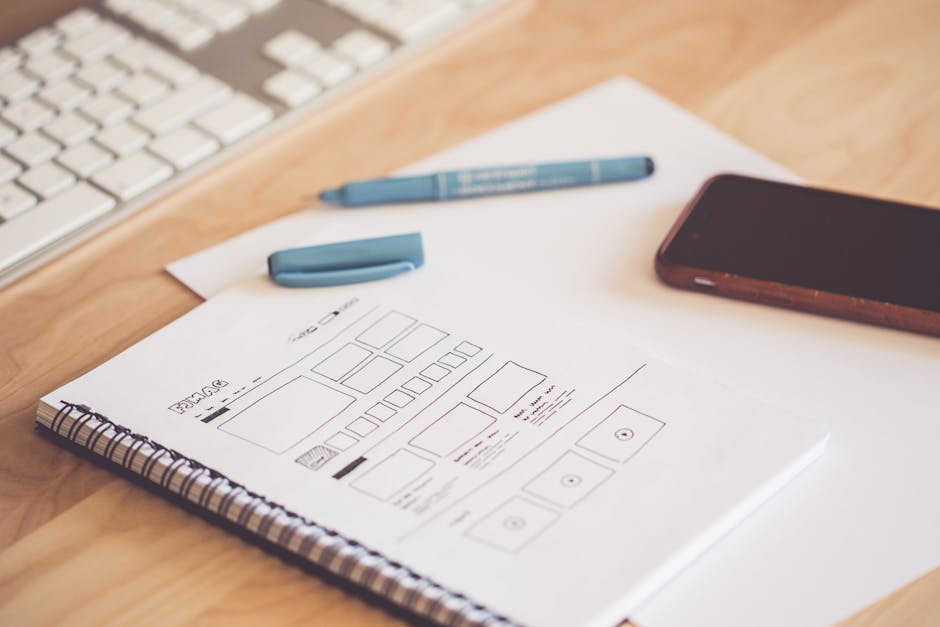
It's early morning at the kitchen table, and the coffee mug sits steaming beside a cluttered notebook. The remote worker flips through their task list, mentally preparing for the back-to-back calls that will fill the day. The first item on the agenda is already clear: review the meeting notes page. Yet, as the clock ticks closer to the start time, distractions creep in, and the agenda check gets skipped. Instead of opening the working document first, the worker finds themselves scrolling through emails, losing precious moments that could have been spent aligning on priorities.
This common slip often leads to a chaotic start, where the crucial agenda line is missing from the notes. Without that pre-meeting check, the worker risks entering discussions unprepared, unsure of the key points to address. As the day unfolds, the lack of a solid plan not only impacts their workflow but also creates a ripple effect on team communication. Recognizing this friction point in weekend planning can help streamline the approach, ensuring that the right tasks are prioritized and executed smoothly.
The Expected Routine Before Work Starts
As the early morning sun filters through the kitchen window, a remote worker settles at their kitchen table, coffee mug in hand, ready to tackle the day. The first action is to review the task list and calendar for the day, a crucial step that sets the tone for the hours ahead. However, in the rush to prepare for back-to-back meetings, it’s easy to overlook this foundational check. Instead of opening the working document first, the worker finds themselves distracted by a flurry of emails that need attention. This diversion not only consumes valuable time but also muddles the clarity of their priorities.
In contrast, when the worker commits to the expected routine, they open the meeting notes page first, ensuring that the agenda is front and center. This small adjustment allows for a quick scan of the key discussion points, which helps in recalling essential details during the meeting. By preparing the workspace with the necessary documents laid out and the coffee steaming beside them, they create an environment conducive to focus. The agenda line, once missing from the notes due to the email distraction, is now clearly outlined, providing a solid reference point. This proactive approach transforms the chaotic start into a structured kickoff, enhancing not only individual workflow but also the effectiveness of team communication throughout the day.
Where the Routine Breaks Down First
Early mornings at the kitchen table can be a flurry of activity, especially on meeting days. A coffee mug sits beside a notebook, and a task list sprawls across the surface, but the focus often drifts. Instead of opening the meeting notes page first, many remote workers find themselves sidetracked by a cascade of emails that demand immediate attention. This diversion not only eats into valuable prep time but also sets the stage for disorganization when the meetings begin.
When the agenda check is skipped, the first visible sign of drift appears. Without reviewing the key discussion points, a worker may forget crucial items, leading to chaotic starts and missed opportunities for effective communication. For instance, if the agenda line is absent from the notes due to this oversight, it becomes challenging to steer conversations productively. In contrast, when the worker commits to opening the meeting notes page first, they can quickly scan the agenda, ensuring that all necessary topics are covered and reducing the risk of confusion during the call.
This simple adjustment transforms a potentially chaotic morning into a structured kickoff. By laying out the meeting notes alongside the coffee and task list, the worker creates an environment that fosters focus rather than distraction. The difference is palpable: a quick pre-meeting check of the agenda not only enhances individual workflow but also improves team communication, setting a positive tone for the day ahead.
A Simple Correction That Holds Up
A slightly different version of this problem appears in Balancing Work And Life, where the sequence changes but the hidden drag feels familiar.
Before diving into a busy meeting day, many remote workers overlook a crucial step: reviewing the meeting agenda. This often leads to frantic moments where the agenda line is missing from the notes, causing confusion and missed points during calls. Instead of jumping straight into the day’s tasks, take a moment to set a five-minute timer. This brief pause allows you to focus on the upcoming meetings and ensures you have all necessary information at your fingertips.
Open your dedicated notebook page for meeting notes and jot down the agenda items. By having this page ready before the first work block, you create a structured environment. Place your coffee mug next to the notebook, and keep your task list visible. This setup not only signals that it’s time to concentrate but also helps you mentally prepare for the discussions ahead. When you check the agenda first, you can easily steer conversations, making the time spent in meetings more productive. Skipping this step might seem trivial, but it can transform your workflow from chaotic to organized, setting a positive tone for the entire day.
What Becomes Easier After the Correction
If this pattern keeps repeating, Writing Clearly At Work extends the idea without leaving the niche.
With the agenda checked and noted, meetings transform from chaotic exchanges into streamlined discussions. When you sit down at your kitchen table with your coffee mug in hand, the first thing to do is pull up your meeting notes page. This small action ensures that you have the agenda items clearly outlined. Instead of fumbling through emails or scrambling to recall key points, you can refer directly to your notes, making the conversation flow more naturally.
By taking five minutes to prepare, you cut down on the time spent clarifying missing agenda items. For instance, if the agenda line is missing from your notes, you might waste precious minutes during the meeting trying to figure out what was supposed to be discussed. This not only frustrates you but also your teammates, who rely on your leadership to guide the conversation. Instead, with everything laid out, you can focus on engaging with your team, ensuring everyone stays on track and feels heard.
In the next work block, you’ll notice a tangible difference. Instead of feeling rushed and overwhelmed, you can approach your tasks with clarity. The team communication becomes more effective, as everyone is on the same page from the start. This simple adjustment leads to a smoother workflow, allowing you to tackle the day’s tasks with confidence instead of confusion. Ultimately, it’s about creating a habit that enhances your overall productivity and reduces stress during those critical meeting moments.
As you settle into your weekend work routine, remember that the small checks can make a big difference. Before diving into your first meeting of the day, take a moment to open your working document and review your agenda. This simple act can prevent the common pitfall of missing key discussion points. Without this check, you might find yourself scrambling through notes, trying to piece together what needs to be addressed.
Next time you sit down at your kitchen table with your coffee mug in hand, make it a habit to glance over your task list and ensure your agenda is clear. This adjustment not only streamlines your workflow but also sets a more focused tone for your remote work day. By prioritizing this quick pre-meeting check, you’ll enhance your team communication and keep everyone aligned, ensuring that no important details slip through the cracks.